


In recent years, there has been growing concern about the use of Bisphenol A (BPA) in consumer products, particularly in plastics used for food and drink containers. BPA is a synthetic compound that has been used since the 1960s in the production of polycarbonate plastics and epoxy resins. These materials are commonly used to make water bottles, food containers, and other household items. However, research has shown that BPA can leach into food and drink, leading to potential health risks. In this blog post, we will explore what BPA plastic is, why it is harmful for drinking water, and what BPA-free alternatives are available.
What Is BPA Plastic?
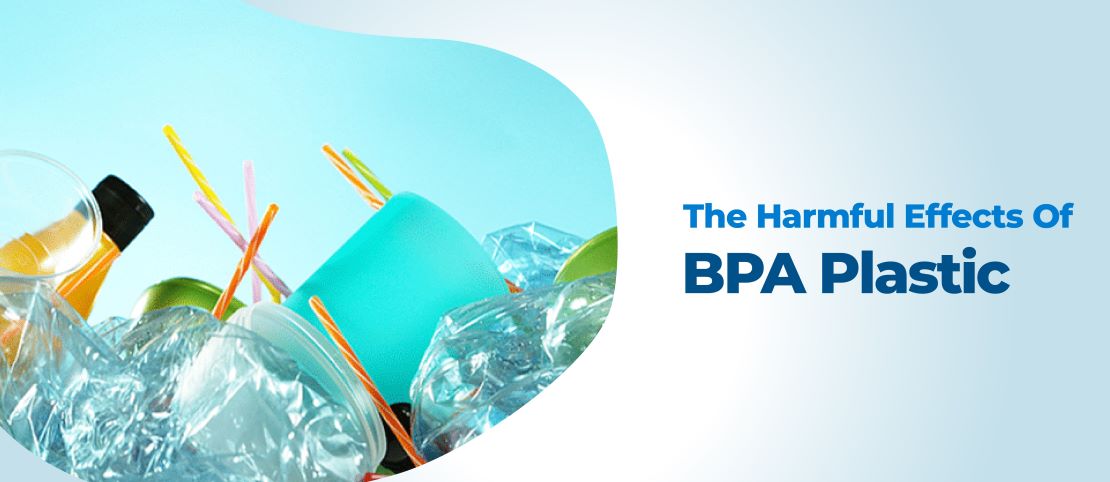
Bisphenol A (BPA) is a chemical that is used in the manufacture of certain types of plastics, including polycarbonate and epoxy resins. Polycarbonate is a type of hard plastic that is often used in water bottles, food containers, and other household items. Epoxy resins are used to coat the inside of metal cans, such as those used for canned foods and beverages.
BPA is added to these materials during the manufacturing process to make them stronger and more durable. However, over time, the BPA can leach out of the plastic and into food or drink that comes into contact with it. This is particularly true when the plastic is exposed to heat or acidic substances, such as tomato sauce or citrus juice.
Why Is BPA Harmful For Drinking Water Bottles?
Research has shown that exposure to BPA can have a number of negative health effects, particularly on the reproductive and developmental systems. BPA has been found to mimic the effects of estrogen in the body, which can disrupt the normal functioning of hormones. This can lead to a range of health problems, including
Infertility
BPA has been linked to reduced sperm count and quality in men, and menstrual irregularities in women.
Developmental problems
Exposure to BPA during pregnancy and early childhood has been linked to developmental problems, including behavioral issues and impaired learning and memory.
Increased risk of certain cancers
Some studies have suggested that BPA exposure may increase the risk of breast and prostate cancers.
Cardiovascular problems
BPA exposure has also been linked to an increased risk of cardiovascular problems, including high blood pressure and heart disease.
Given the potential health risks associated with BPA, it is important to minimize exposure wherever possible, particularly when it comes to food and drink containers.
BPA-Free Alternative Containers
Fortunately, many BPA-free alternatives are available on the market today. Here are some of the most common options
Glass
Glass is an excellent alternative to plastic for food and drink containers. It is non-toxic, easy to clean, and can be recycled indefinitely.
Stainless Steel
Stainless steel water bottles and food containers are other great alternatives to plastic. They are durable, easy to clean, and won't leach any harmful chemicals into your food or drink.
Silicone
Silicone is a type of rubber that is heat-resistant and non-toxic. It is often used to make baking molds and kitchen utensils, but can also be used for food and drink containers.
BPA-free Plastics
There are a number of BPA-free plastics on the market today, including those made from polypropylene and high-density polyethylene. While these plastics are considered safer than those that contain BPA, they can still leach other harmful chemicals into food and drink, so it is important to use them with caution.
When choosing a BPA-free alternative, it is important to consider not just the materials used, but also the manufacturing process. Look for products that are made using environmentally-friendly methods and avoid those that contain other harmful chemicals, such as phthalates and PVC.
It is also important to note that not all BPA-free products are created equal. While some may be marketed as such, they may still contain other harmful chemicals that can leach into food and drink. To ensure that you are choosing the safest option, look for products that are certified as BPA-free by reputable organizations, such as the U.S. Food and Drug Administration (FDA) or the European Union (EU).
How to Choose Safe and Sustainable Water Bottles
Choosing the right water bottle can be overwhelming, but by following a few simple tips, you can make an informed decision and choose a bottle that is safe and sustainable.
Tip #1 Look for BPA-free certifications
When choosing a water bottle, look for ones that are certified as BPA-free by reputable organizations, such as the FDA or the EU. This will give you peace of mind that the bottle does not contain BPA, as well as other harmful chemicals, such as phthalates and PVC.
Tip #2 Consider the materials used
There are a variety of materials used in the production of water bottles, each with their own advantages and disadvantages. Some popular materials for BPA-free water bottles include
- Glass is a great option for those who want a completely plastic-free option.
- Stainless steel is another considerable option for keeping beverages cold or hot.
- Silicone is lightweight and easy to store, but may not be as durable as other materials.
- BPA-free plastics can also be durable and lightweight alternatives.
However, it is important to choose BPA-free plastics that are also free from other harmful chemicals.
Tip #3 Consider the manufacturing process
The way a water bottle is manufactured can also impact its safety and sustainability. Look for products that are made using environmentally-friendly methods and avoid those that are produced using harmful chemicals or processes that contribute to pollution.
Tip #4 Choose a sustainable option
In addition to choosing a safe water bottle, it is important to consider the environmental impact of your choice. Look for water bottles that are reusable and durable, so they can be used for years to come. Additionally, choose products that are recyclable or made from recycled materials to minimize their impact on the environment.
Tip #5 Properly care for and dispose of your water bottle
To ensure your water bottle stays safe and sustainable, it is important to properly care for and dispose of it. Clean your water bottle regularly to prevent bacteria growth and prolong its lifespan. When it comes time to dispose of your water bottle, check to see if it is recyclable and properly dispose of it in a recycling bin. If it is not recyclable, consider repurposing it or disposing of it in an environmentally-friendly way.
By following these tips, you can choose a safe and sustainable water bottle that will keep you hydrated while minimizing your impact on the environment.
To Summarize
Bisphenol A (BPA) is a synthetic compound commonly used to produce polycarbonate plastics and epoxy resins. While these materials are durable and widely used for food and drink containers, BPA can leach into food and drink, leading to potential health risks. Research has shown that exposure to BPA can have a number of negative health effects, particularly on the reproductive and developmental systems.
Fortunately, many BPA-free alternatives are available on the market today, including glass, stainless steel, silicone, and BPA-free plastics. When choosing a BPA-free alternative, it is important to consider not just the materials used, but also the manufacturing process and certifications. By choosing BPA-free water bottles and food containers, you can minimize your exposure to harmful chemicals and protect your health and well-being.